
Modern retirement village life is shaped by more than comfortable housing. Wellness can include physical activity, nutritious food, social connection, mental stimulation, personal independence, and access to appropriate support. When these elements are considered together, retirement communities can provide an environment where older adults can maintain routines, develop relationships, and continue participating in activities they enjoy.
Retirement communities in Australia reflect the changing expectations of older adults. Many residents want a lifestyle that supports their interests while also providing practical services when needed. For people exploring Southern Cross Care (NSW and ACT), understanding the different factors that contribute to wellness can help explain what modern retirement living can offer.
Physical Activity and Mobility
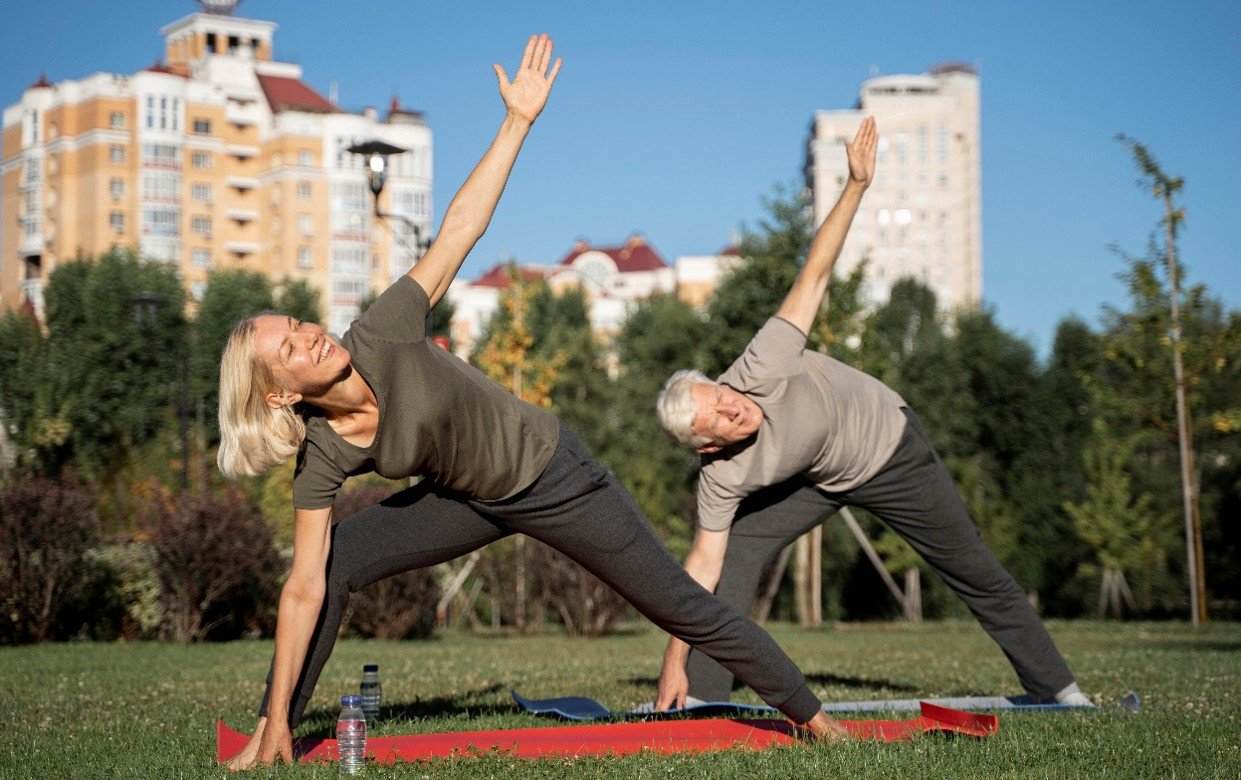
Staying physically active can support strength, balance, flexibility, and mobility as people age. Retirement communities may provide opportunities for residents to walk, exercise, garden, swim, or participate in organised fitness activities.
Activities do not need to be strenuous to be useful. Regular movement that matches an individual’s abilities can help residents remain active and engaged with their surroundings.
Nutritious Food Choices
Nutrition is another important part of healthy ageing. Retirement communities may provide access to balanced meals, communal dining, or kitchen facilities that allow residents to maintain their preferred eating routines.
A varied diet can provide important nutrients while also making mealtimes enjoyable. Shared meals can provide a social opportunity as well, allowing residents to connect while eating together.
Social Connection
Moving into a retirement community can create new opportunities for social interaction. Common areas, group activities, events, and informal gatherings can help residents meet people with similar interests.
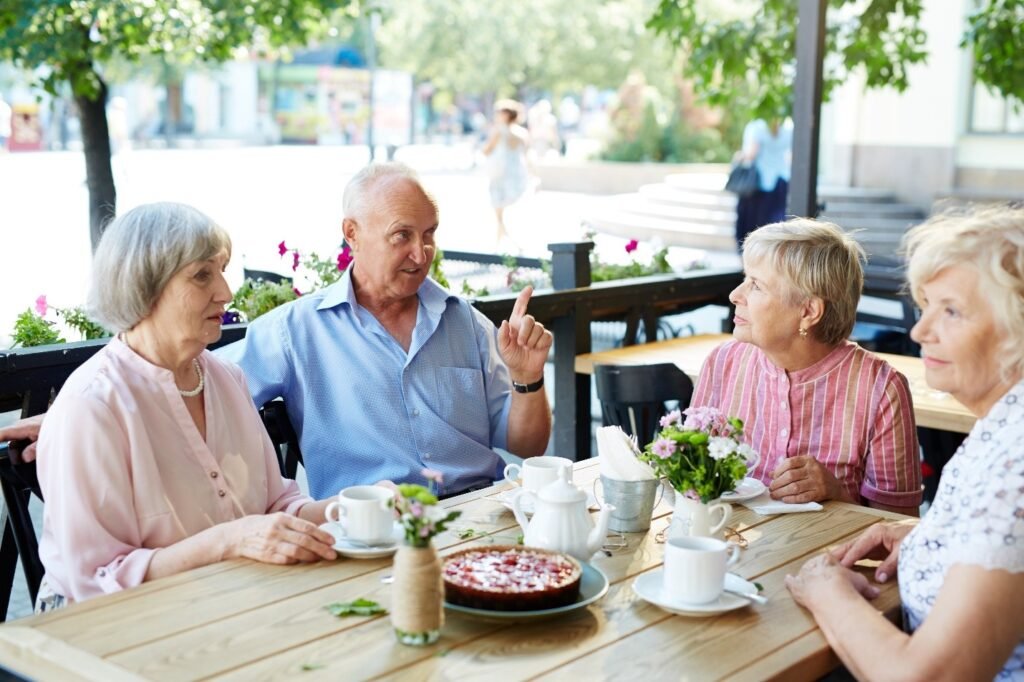
Regular social contact may also make daily life more enjoyable. Simple activities such as having coffee with neighbours, joining a club, or attending a community event can help build a sense of belonging.
Mental and Emotional Well-Being
Wellness also includes mental and emotional health. Residents may benefit from activities that encourage creativity, learning, problem-solving, and personal expression.
Reading groups, arts and crafts, educational sessions, music, games, and cultural activities can provide mental stimulation while giving residents opportunities to explore interests at their own pace.
Independence and Choice
A modern retirement community should support independence rather than remove it. Residents may want to choose how they spend their day, which activities they participate in, and how involved they are in community life.
Having choices can help people maintain a sense of control over their routines. At the same time, access to appropriate assistance can provide reassurance when circumstances change.
Safe and Accessible Environments
The physical design of a retirement community can influence everyday wellness. Accessible pathways, suitable lighting, common areas, outdoor spaces, and thoughtfully designed homes can make it easier for residents to move around comfortably.
Safety features can also help residents feel more confident using community facilities and participating in activities.
Opportunities for Purpose and Engagement
Retirement does not have to mean giving up meaningful activities. Residents may continue volunteering, pursuing hobbies, learning new skills, spending time with family, or contributing to their community.
Having regular activities and personal goals can give structure to the day and provide opportunities to maintain existing interests or discover new ones.
A Community That Adapts to Changing Needs
Wellness needs can change over time. A community that offers different levels of support and a range of activities can give residents greater flexibility as their circumstances develops.
This can be particularly useful for people who want to remain socially connected and active while knowing that additional support may be available if they eventually need it.
Key Takeaways
- Wellness in retirement involves physical, social, emotional, and mental well-being.
- Regular movement can support mobility and independence.
- Nutritious meals can contribute to overall health and enjoyable social routines.
- Social activities can help residents build meaningful connections.
- Accessible environments can make everyday life safer and more comfortable.
- Personal choice, hobbies, and purposeful activities can support a fulfilling retirement lifestyle.