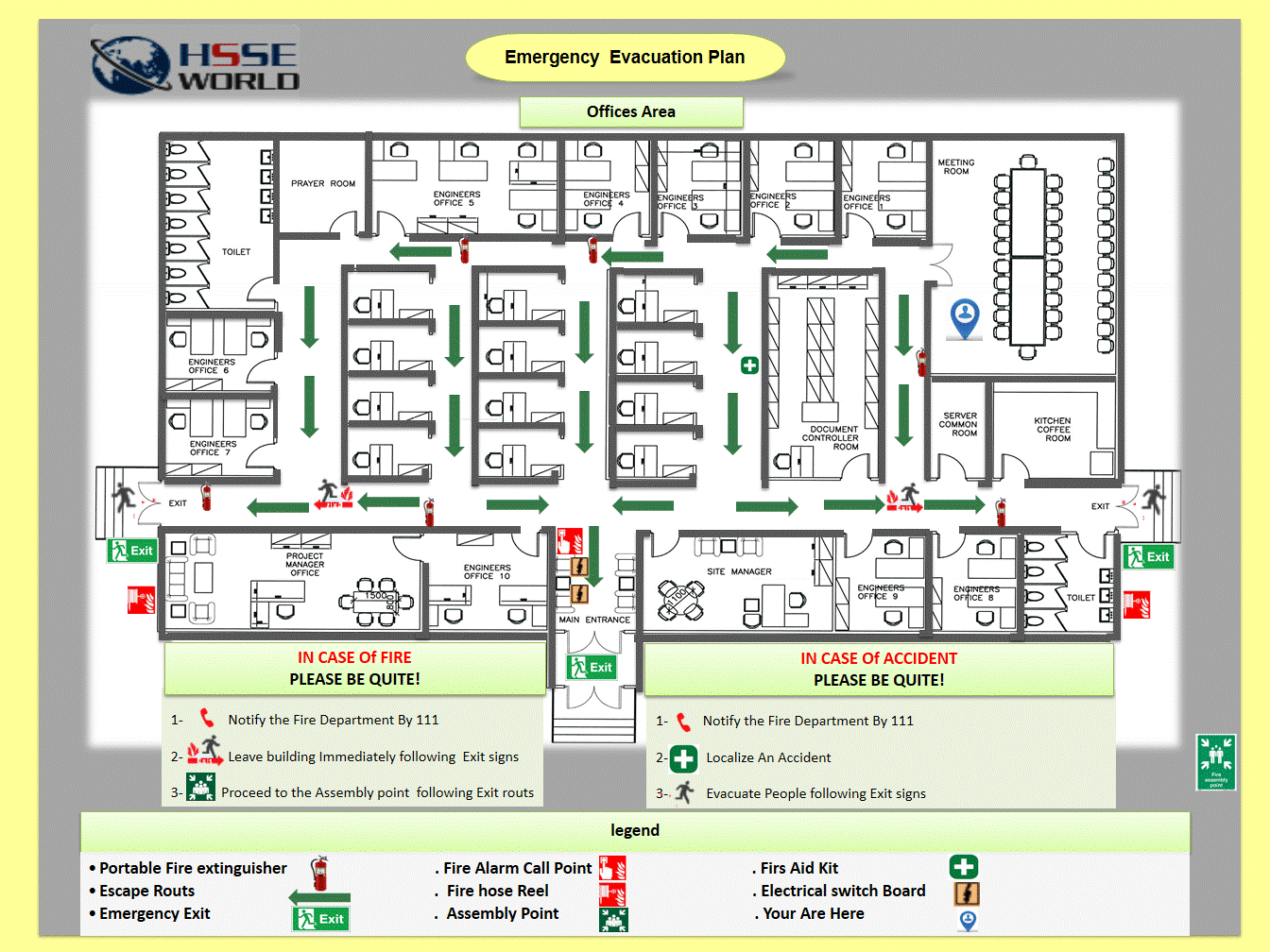
Fire departments are known for their bravery, quick thinking, and life-saving actions. But behind every successful emergency response is a set of rules and procedures that guide firefighters through dangerous situations. These rules are called Standard Operating Procedures (SOPs), and they’re more than just paperwork; they’re the backbone of safety, consistency, and accountability.
However, SOPs are not set-it-and-forget-it documents. They need to be reviewed and updated regularly to ensure they remain effective and compliant with changing regulations. If SOPs stay the same year after year, they can become outdated, ineffective, or even dangerous.

What Role Do SOPs Play in Fire Department Operations?
Standard Operating Procedures are the backbone of effective fire department operations, ensuring consistent, safe performance across every shift and emergency type. They guide firefighters through fireground tactics, equipment use, medical protocols, and complex rescue efforts—clearly detailing how to respond to incidents like hazardous spills, vehicle crashes, and natural disasters.
In today’s multi-hazard environment, SOPs must be current and specific. Outdated procedures lead to dangerous improvisation, making annual updates essential for protecting firefighters and the communities they serve.
Why Is It Important for Fire Departments to Regularly Update SOPs?
Fire departments operate in a dynamic environment where procedures and protocols are constantly evolving. In a single year, new technologies can be introduced, national standards can change, and a near-miss incident can reveal a critical flaw in an old tactic. Ignoring these changes means willfully ignoring an opportunity to be safer and more effective. The task can feel overwhelming, which is why modern solutions now combine technology with service.
Instead of starting from scratch, departments can jumpstart their SOPs with professionally developed fire department policy templates from PolicyBuilders.Com. Their approach combines a modern, web-based policy management platform with hands-on support from a dedicated service team, so departments not only get powerful tools for accessing and organizing their policies, but also expert guidance to ensure those policies are customized, compliant, and kept up-to-date.
What are the Consequences of Outdated SOPs
When fire departments neglect to update their SOPs regularly, they create serious risks that can affect both firefighter safety and operational effectiveness.
Safety Risks for Firefighters
Outdated SOPs can directly endanger firefighter lives by providing incorrect information about safety procedures, equipment operation, or tactical approaches. As new research emerges about firefighter safety, departments must update their SOPs to reflect these findings and protect their personnel.
For example, recent studies have changed how fire departments approach ventilation tactics, interior attack strategies, and personal protective equipment use. Departments using outdated SOPs might be following procedures that modern research has shown to be dangerous or ineffective. This puts firefighters at unnecessary risk and may compromise their ability to protect the communities they serve.
Legal and Liability Concerns
Outdated SOPs can also create significant legal liability for fire departments. If a firefighter is injured or a civilian is harmed because department personnel followed outdated procedures, the department may face serious legal consequences. Insurance companies and legal experts increasingly scrutinize whether fire departments maintain current, evidence-based procedures.
Courts often examine whether fire departments followed their own established procedures during incidents. If those procedures are outdated or don’t reflect current industry standards, departments may be found negligent even if firefighters followed the written SOPs exactly as written.
Read: Photo of the day: 5 Essential outcomes of an effective leadership survey process

How to Update SOPs Annually
Updating SOPs annually is essential for maintaining safety, adapting to evolving standards, and ensuring every team member is working with the most accurate information available.
Here are some steps fire departments can follow:
- Review Current SOPs: Start by reviewing current SOPs to identify areas that need updating.
- Gather Feedback: Gather feedback from firefighters and other stakeholders to identify areas for improvement.
- Update Procedures: Update procedures and protocols to reflect changing regulations, technologies, and community needs.
- Train Firefighters: Provide training to firefighters on updated SOPs to ensure they understand the new procedures.
Consistent updates empower firefighters to respond safely, confidently, and in full alignment with the latest best practices.
What Are the Benefits of Updating SOPs Annually for Fire Departments?
Updating SOPs annually provides fire departments with a range of essential benefits. It improves safety by ensuring firefighters follow up-to-date procedures, reducing the likelihood of injuries during emergency responses. It enhances compliance with current regulations, helping departments avoid fines and penalties. It also boosts operational efficiency by refining protocols and eliminating outdated practices.
These regular updates promote consistency, strengthen accountability, and allow teams to work confidently with the latest standards, ultimately leading to safer, faster, and more effective emergency response outcomes.
FAQs
What are fire department policy templates?
Fire department policy templates provide a starting point for creating customized SOPs that meet specific needs, saving time and ensuring compliance.
How can technology help streamline the SOP update process?
Technology can help streamline the SOP update process by centralizing SOPs, automating updates, and tracking changes, making it easier to manage SOPs and ensure compliance.
Who should be involved in updating SOPs?
Include a mix of leadership, frontline staff, and administrative personnel. Everyone brings valuable insights to the process.
Conclusion
Updating SOPs annually is essential for fire departments to ensure they remain effective and compliant with changing regulations. By following a structured approach and leveraging technology, fire departments can streamline the update process and ensure that firefighters have access to the latest procedures and protocols.