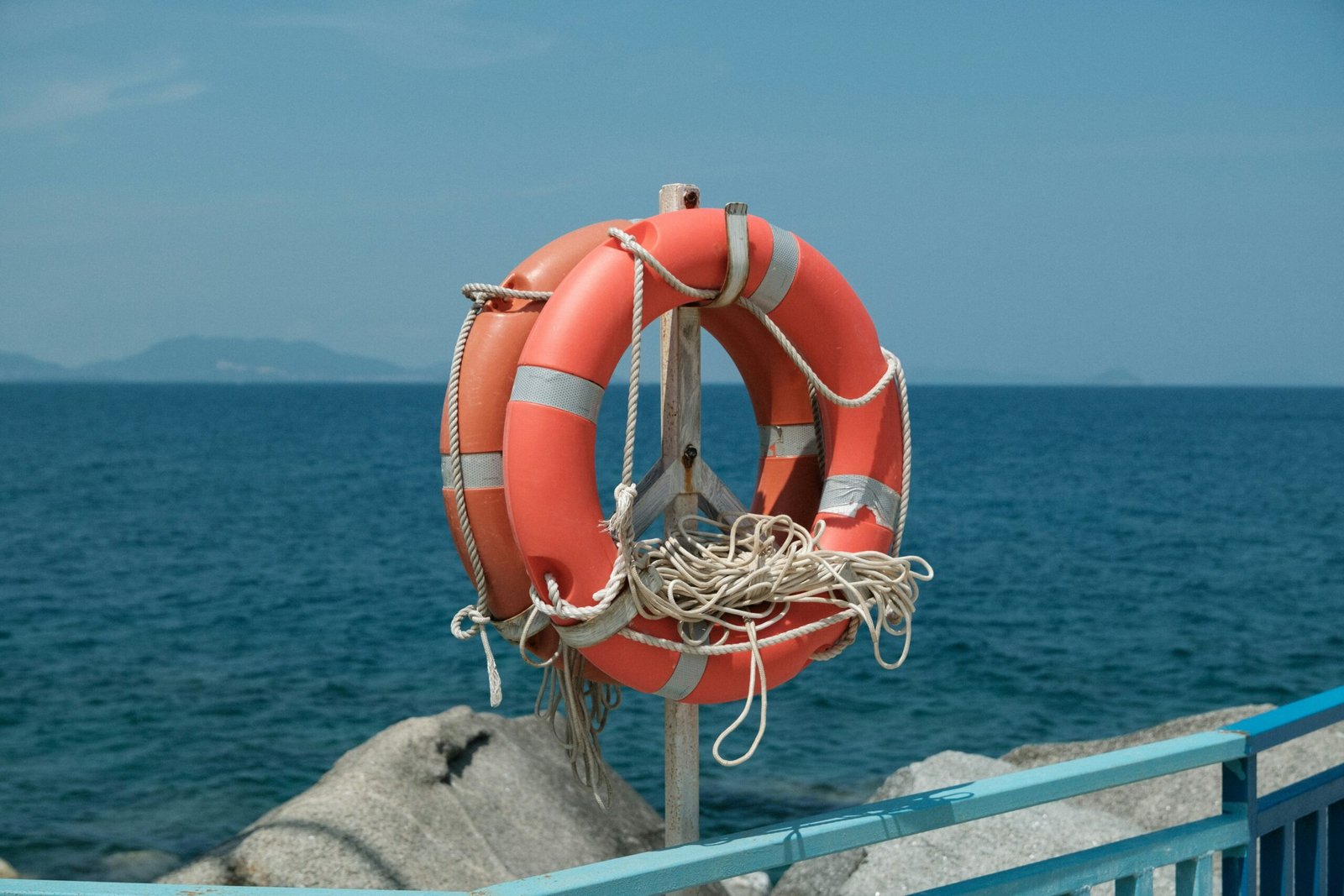
Offshore operations demand a level of discipline that few working environments require. Crews operate far from immediate support, often in unpredictable conditions, while managing complex equipment and processes. Safety in these settings depends less on written rules and more on how well people understand risk and respond when conditions change.
Experience alone does not guarantee safe outcomes offshore. Familiar routines can mask emerging hazards, especially when work becomes repetitive or time pressures increase. Effective safety performance starts with recognising that offshore environments amplify small mistakes and leave little room for recovery.
Structured learning plays a key role in building this awareness, and many organisations rely on offshore safety training to establish a shared baseline of competence. This type of training helps workers understand offshore-specific hazards, emergency expectations, and personal responsibilities before they face them in real conditions.
Understanding offshore operational risk
Offshore workplaces combine isolation, heavy machinery, and environmental exposure. Weather can change quickly, access to medical support is limited, and evacuation options may be restricted. These factors increase the consequences of errors that might be manageable onshore.
Risk is also shaped by human factors. Fatigue, shift patterns, and confined living conditions influence decision making. When these pressures combine with technical tasks, the margin for error narrows. Recognising these risks is the first step toward controlling them.
The role of competence in offshore safety
Competence goes beyond knowing procedures. It involves understanding why controls exist and how to apply them when conditions deviate from the plan. Offshore workers must make decisions independently, often without immediate supervision.
Training supports this by building situational awareness. Workers learn to identify early warning signs, question unsafe conditions, and act decisively when necessary.
competence under pressure
Emergencies offshore rarely unfold exactly as rehearsed. Fire, loss of power, or unexpected weather can introduce new variables. Competence under pressure depends on familiarity with emergency principles rather than memorised steps. Training that emphasises reasoning and response helps workers adapt when scenarios evolve.
Read: Safety Flash: Overturning of the Lifeboat Kristin Faye
What effective offshore training should prepare workers for
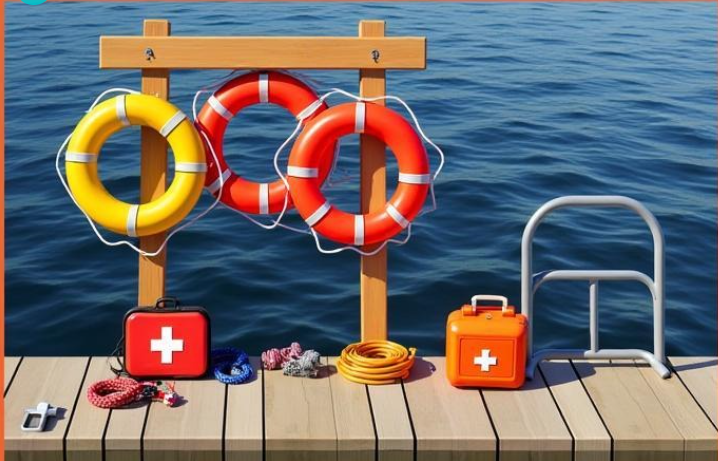
Offshore training should reflect the realities of the environment. Workers need preparation that addresses both routine tasks and abnormal situations. Hazard recognition is a core element, including working at height, confined spaces, and marine operations.
Emergency response is equally critical. Knowing how to react to alarms, coordinate with teams, and follow command structures reduces confusion when time matters. Communication skills also deserve attention, as clear information exchange supports coordinated action during incidents.
Integrating training into offshore safety systems
Training delivers lasting value when it forms part of a broader safety management system. Classroom learning alone is not enough. Skills must be reinforced through drills, toolbox talks, and operational briefings that connect training concepts to daily tasks.
Managers play a central role here. By referencing training during planning and reviews, they signal that competence is expected and supported. This integration helps bridge the gap between theory and practice.
Reinforcement through drills and refreshers
Skills fade without use. Regular drills help maintain readiness and reveal gaps before they lead to incidents. Refreshers allow organisations to update knowledge as equipment, regulations, or operational risks change.
Regulatory expectations and duty of care
Offshore employers carry a significant duty of care. Regulators expect organisations to demonstrate that workers are trained, competent, and supervised appropriately. Training records form part of this evidence, showing that risks have been assessed and addressed.
Compliance is not limited to meeting minimum requirements. Effective training supports proactive risk management and helps organisations respond confidently during audits or investigations.
Strengthening safety culture offshore
Safety culture offshore is shaped by everyday behaviour. When leaders prioritise competence and preparation, workers are more likely to follow suit. Open reporting of near misses and concerns allows organisations to learn before serious harm occurs.
Training supports this culture by providing a shared language around risk and responsibility. Workers who understand expectations are more likely to challenge unsafe practices and support one another.
Read: Photo of the day: 5 Essential outcomes of an effective leadership survey process
Conclusion
Offshore safety is not achieved through policies alone. It is built through consistent preparation, practical learning, and ongoing reinforcement. Competence develops over time and must be maintained as conditions change.
Targeted learning, including offshore safety training, supports this process by equipping workers and supervisors with the understanding needed to operate safely in demanding environments. When training aligns with real operational risks, it becomes a practical tool for protecting people and sustaining performance offshore.